Berkey EPA Lawsuit Update (2026): What Happened

Berkey EPA lawsuit update: the First Circuit ruled for the EPA on September 18, 2026 — the stop-sale order stays in force. Texas case closed; Puerto Rico case continues.

Water filtration articles and explainers — news, rulings, and the questions owners actually ask.
 ByZulqarnain
Berkey EPA lawsuit update: the First Circuit ruled for the EPA on September 18, 2026 — the stop-sale order stays in force. Texas case closed; Puerto Rico case continues.
 ByZulqarnain
Is Berkey banned? No — an EPA stop-sale order covers Black Berkey elements under FIFRA, upheld on appeal in September 2026. Owning and using a Berkey was never banned.
 ByZulqarnain
Spot a fake fridge filter with the 2-minute certification check: search the exact model in the NSF/IAPMO database. Price and packaging are clues — the listing is proof.
 ByZulqarnain
Refrigerator filter cost per year: genuine cartridges run $60–120/yr at two changes a year; certified compatibles about a third of that. The full math by brand.
 ByZulqarnain
RO does not reliably remove dissolved gases (radon and hydrogen sulfide ride straight through), it does not remove chlorine itself — the carbon pre-filter.
 ByZulqarnain
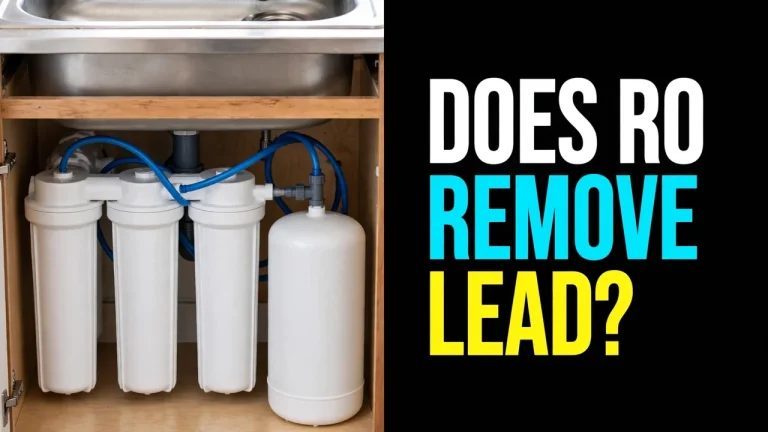
Yes — reverse osmosis removes lead, and lead reduction is one of the core health claims an RO system can be certified for under NSF/ANSI 58.
 ByZulqarnain
Yes — reverse osmosis removes PFAS, and the EPA names RO among the treatment technologies for reducing PFAS in drinking water. The proof standard is not.
 ByZulqarnain
Yes, for one specific job — reducing free chlorine, which is exactly what NSF/ANSI 177 certification tests. For the rest of the marketing list — softening.
 ByZulqarnain
Yes — reverse osmosis removes fluoride. An under-sink RO membrane rejects the large majority of fluoride in the feed water, at rates comparable.
 ByZulqarnain
Yes — a shower filter can genuinely reduce free chlorine, and models certified to NSF/ANSI 177 have been lab-tested doing exactly that, at shower.
End of content
End of content