Berkey EPA Lawsuit Update (2026): What Happened

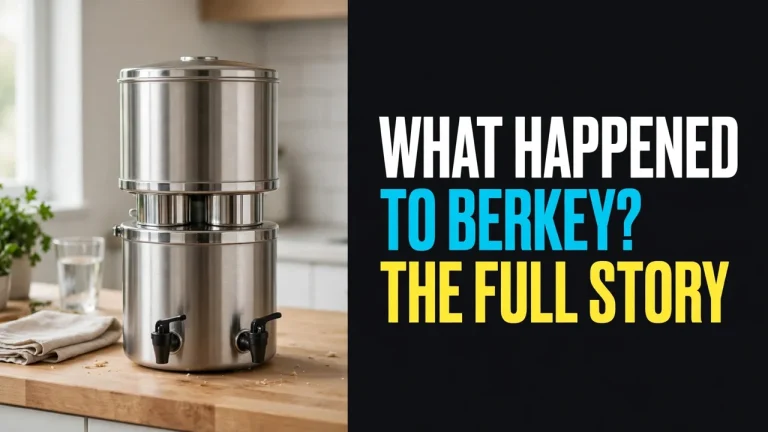
Berkey EPA lawsuit update: the First Circuit ruled for the EPA on September 18, 2026 — the stop-sale order stays in force. Texas case closed; Puerto Rico case continues.

Tap water in most places meets legal safety standards — but “safe” does not always mean great taste, and every home’s pipes are different. Think of this page as a map of all nine types of water filtration — from a simple fridge pitcher to a whole-house system installed once and maintained once or twice a year. Each type solves a different problem at a different price. Browse the types below, compare them side by side, and see what ownership really costs before you buy.
Browse by type
We evaluate every water filter against the full field — comparing certified specifications, manufacturer claims and thousands of verified owner reviews. Nothing here is ranked from a spec sheet alone: filtration claims are checked against the NSF/ANSI standards that apply to each type (42, 53, 58 and 401), and where a claim cannot be verified, we say so instead of repeating it.
Each product is weighed on the things that actually matter: what it is certified to remove, flow rate and capacity, build quality and reliability over time, and honest value for money once replacement filters are counted. We log the faults owners report again and again, cross-check long-term owner feedback, and we never take payment for a ranking. When we have not evaluated something directly, we say so.
 ByZulqarnain
Berkey EPA lawsuit update: the First Circuit ruled for the EPA on September 18, 2026 — the stop-sale order stays in force. Texas case closed; Puerto Rico case continues.
 ByZulqarnain
Is Berkey banned? No — an EPA stop-sale order covers Black Berkey elements under FIFRA, upheld on appeal in September 2026. Owning and using a Berkey was never banned.
 ByZulqarnain
What happened to Berkey, from the court record: the EPA stop-sale orders of 2022–23, the FIFRA silver dispute, and the First Circuit ruling of September 18, 2026.
 ByZulqarnain
Spot a fake fridge filter with the 2-minute certification check: search the exact model in the NSF/IAPMO database. Price and packaging are clues — the listing is proof.
 ByZulqarnain
Refrigerator filter cost per year: genuine cartridges run $60–120/yr at two changes a year; certified compatibles about a third of that. The full math by brand.
 ByZulqarnain
RO does not reliably remove dissolved gases (radon and hydrogen sulfide ride straight through), it does not remove chlorine itself — the carbon pre-filter.
 ByZulqarnain
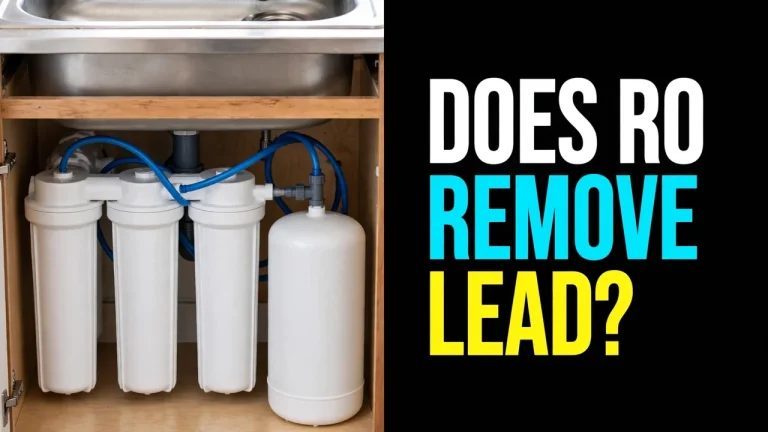
Yes — reverse osmosis removes lead, and lead reduction is one of the core health claims an RO system can be certified for under NSF/ANSI 58.
 ByZulqarnain
Yes — reverse osmosis removes PFAS, and the EPA names RO among the treatment technologies for reducing PFAS in drinking water. The proof standard is not.
 ByZulqarnain
Yes, for one specific job — reducing free chlorine, which is exactly what NSF/ANSI 177 certification tests. For the rest of the marketing list — softening.
 ByZulqarnain
Yes — reverse osmosis removes fluoride. An under-sink RO membrane rejects the large majority of fluoride in the feed water, at rates comparable.
End of content
End of content