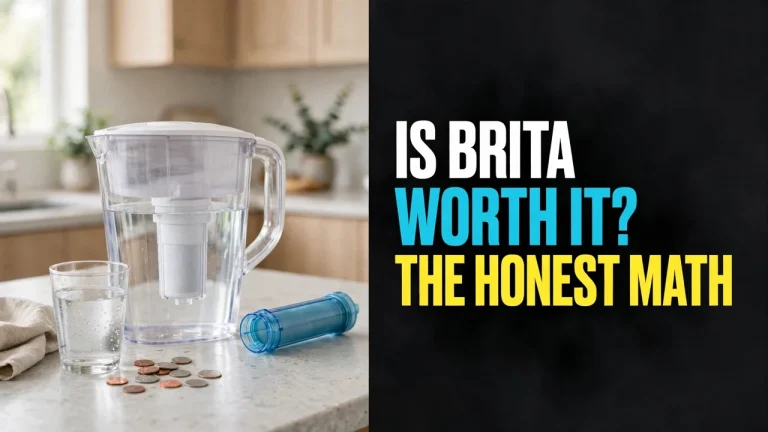
Is Brita Worth It (2026): The Honest Math

Yes, Brita is worth it as a taste upgrade — the Standard cartridge takes chlorine taste and odor out of tap water for roughly $0.20 a gallon, among.

Water filtration articles and explainers — news, rulings, and the questions owners actually ask.
 ByZulqarnain
Yes, Brita is worth it as a taste upgrade — the Standard cartridge takes chlorine taste and odor out of tap water for roughly $0.20 a gallon, among.
 ByZulqarnain
Only if the exact cartridge inside carries an NSF/ANSI listing for PFAS — a Standard 53 claim naming PFOA/PFOS, or the dedicated PFAS standard, NSF/ANSI P473.
 ByZulqarnain
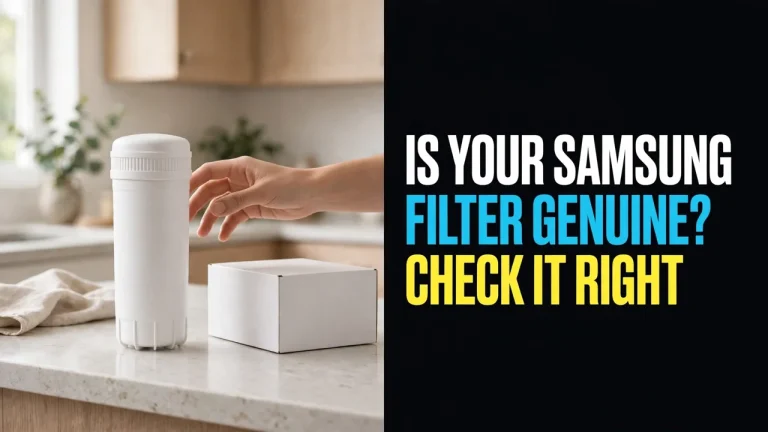
You cannot authenticate a single cartridge with certainty at home — but you can get close. The model code (DA29-00020B, or HAF-QIN on retail packaging).
 ByZulqarnain
ZeroWater is worth it if your priority is maximum dissolved-solid removal in a renter-friendly pitcher and your household drinks modest amounts —.
 ByZulqarnain
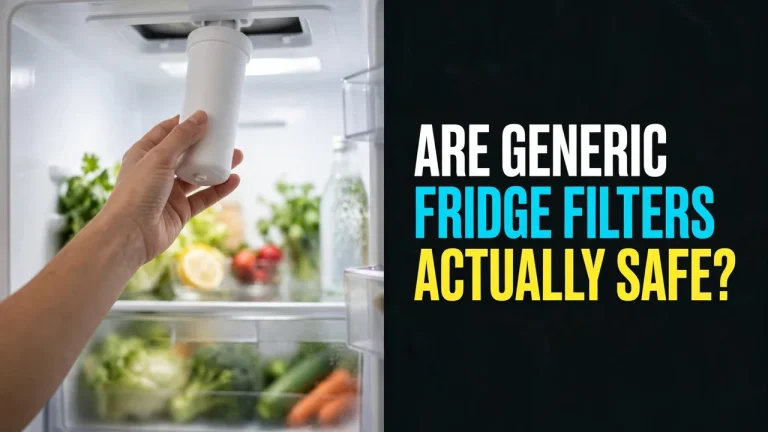
A generic fridge filter is as safe as its certification, and certification is checkable. Mainstream compatibles typically certify to NSF/ANSI 42 at best —.
 ByZulqarnain
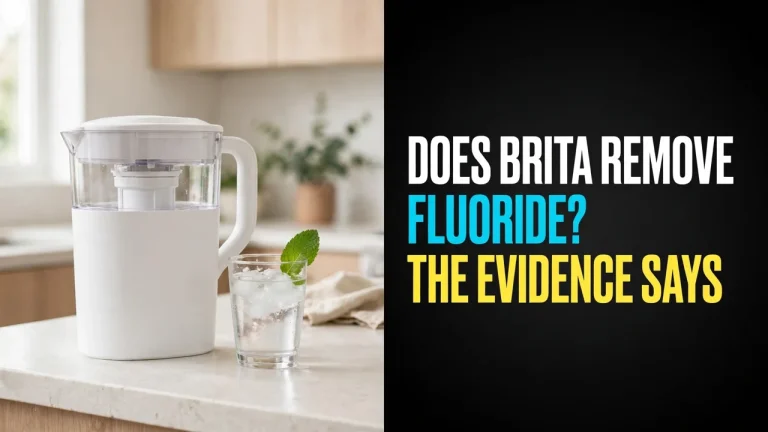
Brita makes no fluoride-reduction claim for the standard cartridge or for Elite, and the carbon-and-resin media inside them does not meaningfully remove.
 ByZulqarnain
Yes, physically — a pitcher filter cannot help catching the larger microplastic particles that reach it, because capture here is simple sieving, not chemistry.
 ByZulqarnain
With the standard white cartridge, no — it is not certified for lead reduction. With the Elite cartridge, yes — Brita lists the Elite as certified.
 ByZulqarnain
Yes, for the right kitchen — a PUR Plus faucet system is one of the few inexpensive filters carrying manufacturer-listed NSF/ANSI 42, 53 and 401.
 ByZulqarnain
PFAS — the “forever chemicals” — keep turning up in tap-water reports, and the federal limits on them keep getting closer.
End of content
End of content